BOOK APPOINTMENT
Diamond Pricing Explained: What Factors Influence Cost?
August 15th, 2025
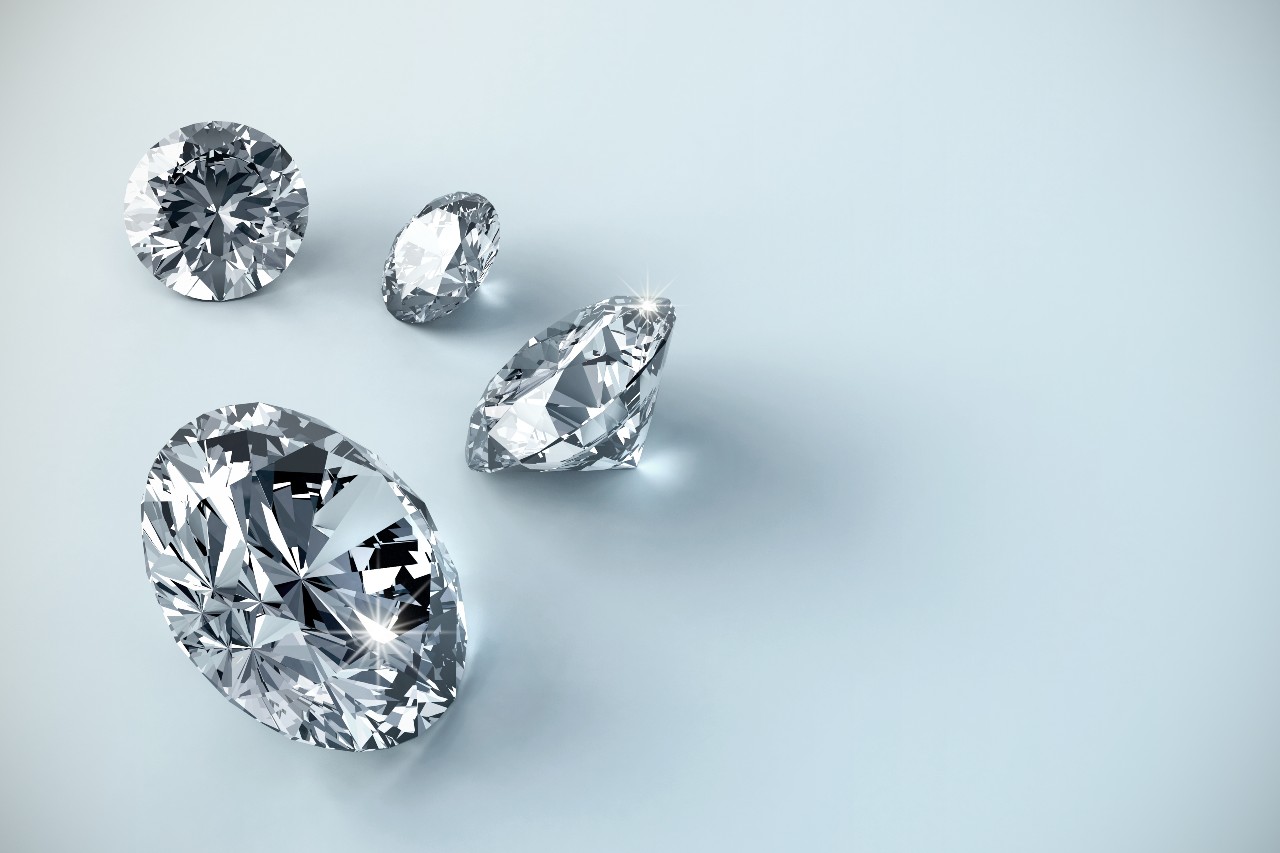
If you’ve ever walked into a jewelry store and found yourself wondering why two seemingly identical diamonds are priced worlds apart, you’re not alone. Diamond pricing isn’t just about size, shape, or shine— there’s a lot more to it than you may expect. At Thom Duma Fine Jewelers, our knowledgeable staff guides our customers through every element that influences a diamond’s cost, so you always know what you’re paying for, and why it matters toward the overall price tag. Explore the key factors that shape the price tag on natural diamonds, and shop with clarity and confidence today at Thom Duma Fine Jewelers.
Carat Weight: Size Sets Price
A diamond’s size, or carat weight, is often the first thing people notice. While it matters in a diamond’s overall pricing, bigger is not always better. A small increase in carat weight can lead to a significant jump in price, especially at exact weights like 1.00 or 2.00 carats. This is because larger, high-quality natural diamonds are much rarer than their smaller, but equally luminous counterparts. Still, carat weight doesn’t tell a diamond’s whole story. Two diamonds of the same weight can vary drastically in value depending on other factors, including cut and clarity.
Cut: The Sparkle Maker
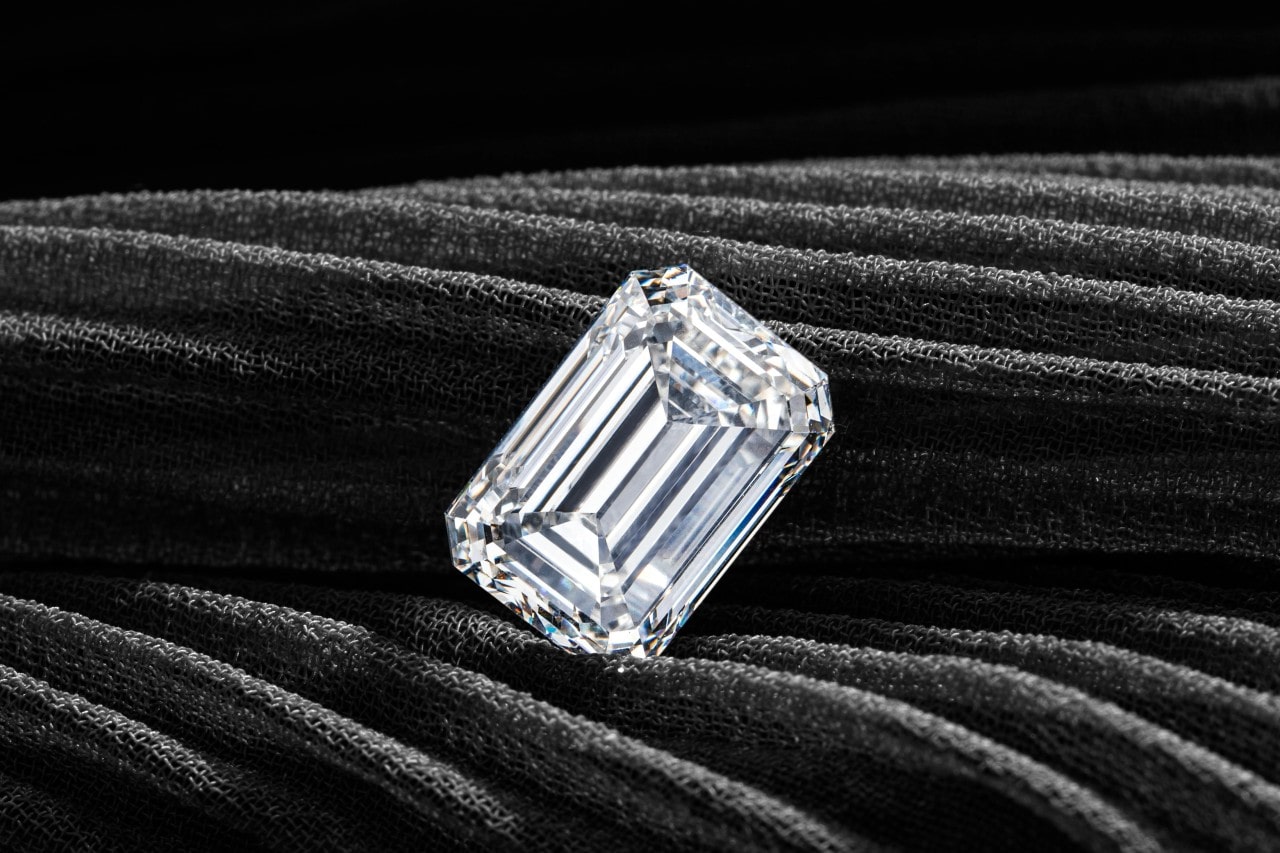
When it comes to a diamond’s beauty, its cut is arguably one of the most important contributing factors. A well-cut diamond sparkles with life and brilliance, while a poorly cut one can seem dull or unremarkable, even with great color and clarity. The precision of the diamond’s cut affects how light travels through the stone, making it appear larger, brighter, and more stunning. A better cut means a higher level of craftsmanship and attention to detail. This also may entail a higher cost, but this meticulous precision is often worth every penny.
Color: The Subtle Value Shift
Diamond color grading measures how close a diamond is to being completely colorless. The scale runs from D (colorless) to Z (light yellow or brown). The less color a diamond has, the rarer and more valuable it is. Colorless diamonds offer that icy, clear brilliance many people desire, but they also come with a higher price tag. Near-colorless diamonds often look just as stunning to the naked eye while offering better value. Beyond the near-colorless range, noticeable color can soften a diamond’s sparkle and lower its price. Understanding color grading helps you decide where you want to invest with your diamonds, whether it’s emphasis on one particular feature, or a harmonious balance that fits your budget without sacrificing beauty.
Clarity: Nature’s Unique Signature
Even if they look perfect to the naked eye, every diamond nonetheless carries tiny inclusions or blemishes. Clarity grading measures how visible these imperfections are under magnification. Fewer and less noticeable flaws translate to a higher price, especially in larger stones where inclusions can noticeably affect brilliance. Flawless diamonds are extremely rare, but eye-clean stones— diamonds where imperfections aren’t visible without a loupe—can be a smart investment for someone looking for something beautiful without breaking the bank.
Market Demands & Rarity
Beyond the classic 4 Cs, diamond prices are influenced by market demand and availability. Natural diamonds come from limited sources, and fluctuations in mining output can affect supply. When demand rises, whether due to fashion trends, economic factors, or increased interest in ethically sourced stones, prices tend to climb. For example, certain shapes or sizes may become more sought-after if a celebrity is seen wearing them, driving prices higher even if the diamond’s quality remains the same. Additionally, global events, trade policies, and consumer preferences play further roles in shaping diamond pricing. Staying aware of these trends helps you understand why prices can shift, and how timing can impact a diamond’s current cost.
Shape & Style Trends
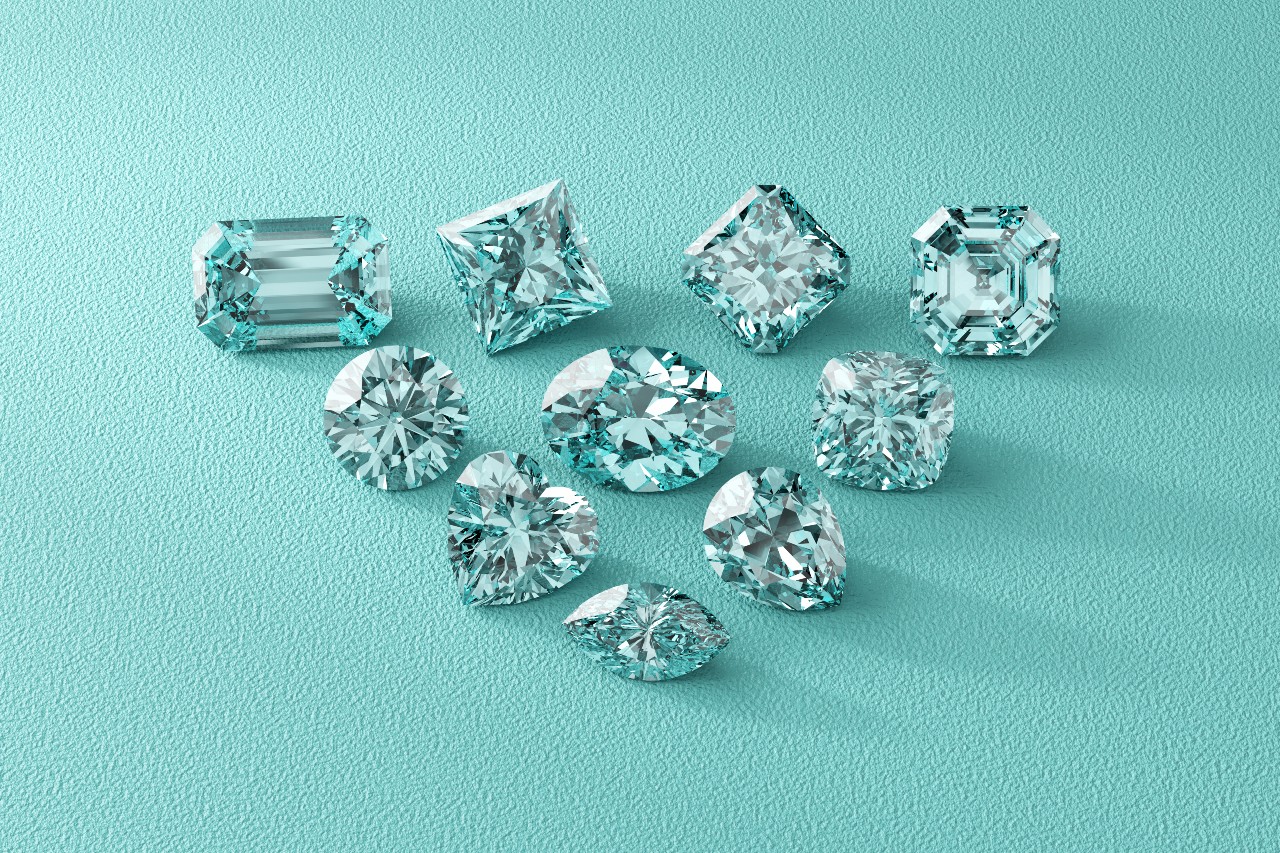
The shape of a diamond influences not just its look, but also its price. While round brilliant cuts remain the most popular diamond shape, and often come at a premium, more uncommon shapes like oval, emerald, pear, and cushion offer their own unique appeal, and sometimes better value. Market trends can make certain shapes more desirable, further increasing their cost during peak popularity. Beyond shape, the style of the setting and the type of metal used can affect the overall cost, but they usually don’t impact the diamond’s base price like the cut does. Understanding how these trends evolve helps you choose styles that suit your personality while also making a smart investment.
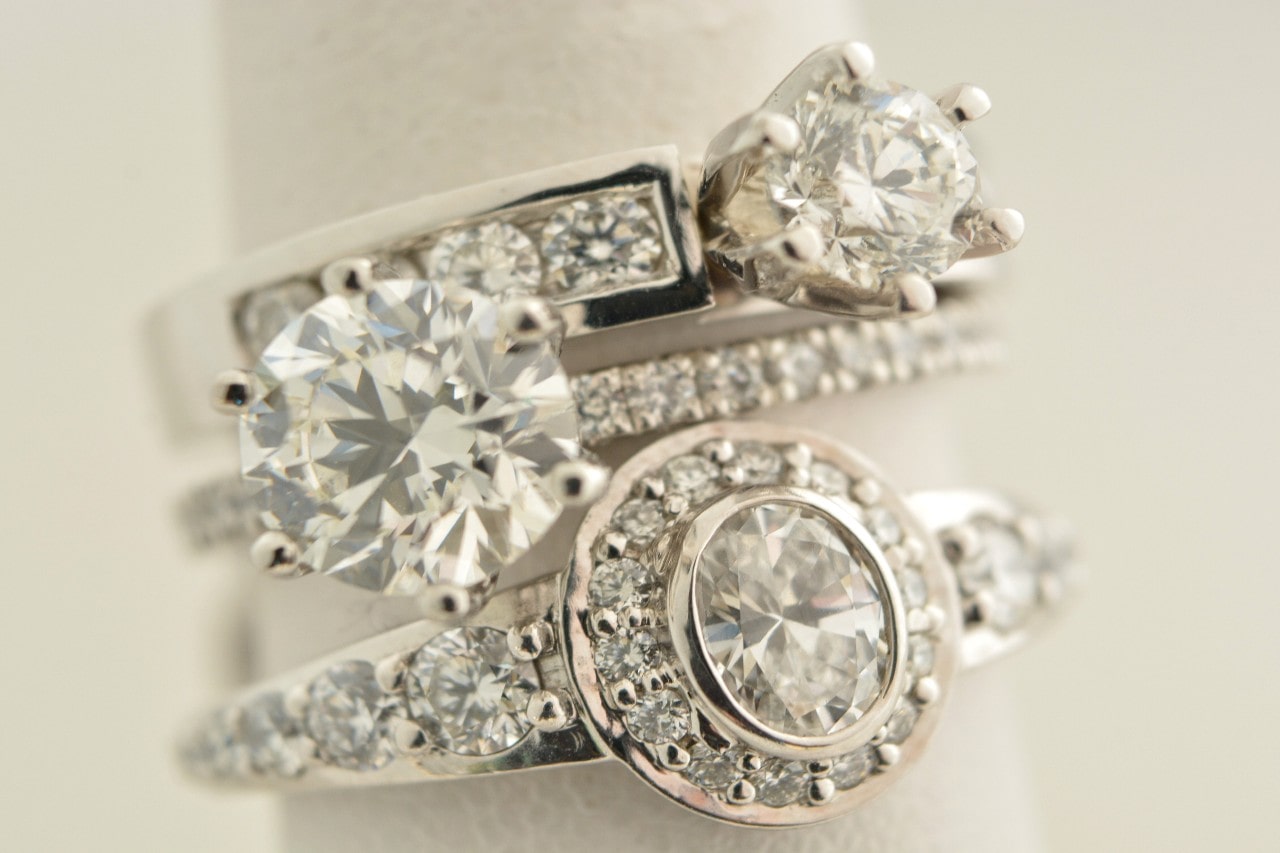
Enjoy Diamonds and Fine Jewelry from Thom Duma Fine Jewelers
From carat weight and cut to color, clarity, and market trends, each factor plays a crucial role in shaping value. Choosing the perfect diamond becomes much easier once you understand what influences its price. Whether you seek a diamond engagement ring, a pair of simple stud earrings, or a statement necklace, the experts at Thom Duma Fine Jewelers offer expert guidance and a stunning selection to help you find the right diamonds for your vision and budget. We also offer custom jewelry design services to help you create a piece that’s truly one-of-a-kind. Visit us in Warren, Ohio to begin your shopping journey today, or contact us with any questions you may have about our selection or services.